New life for textile waste fibre
through defibration
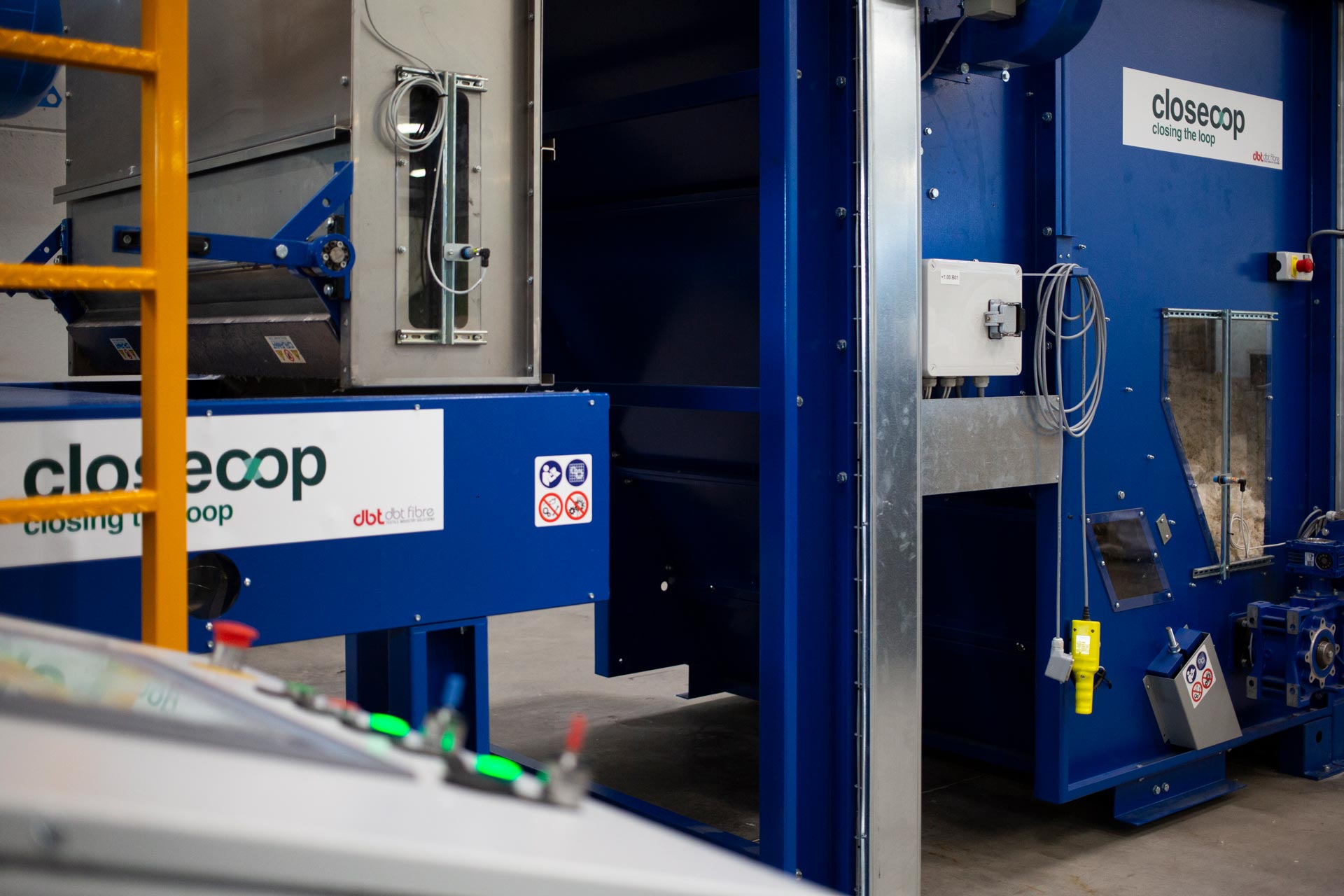
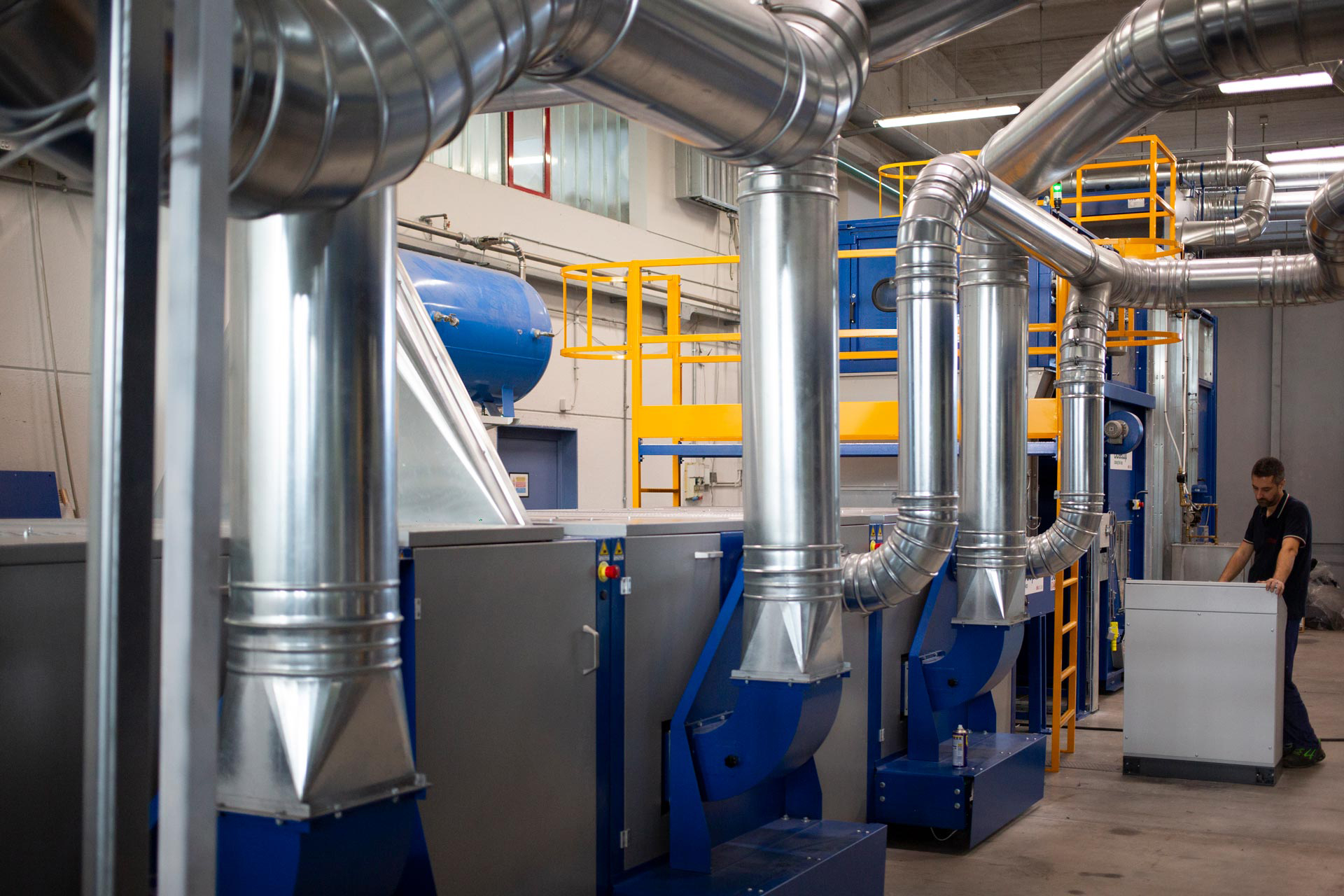
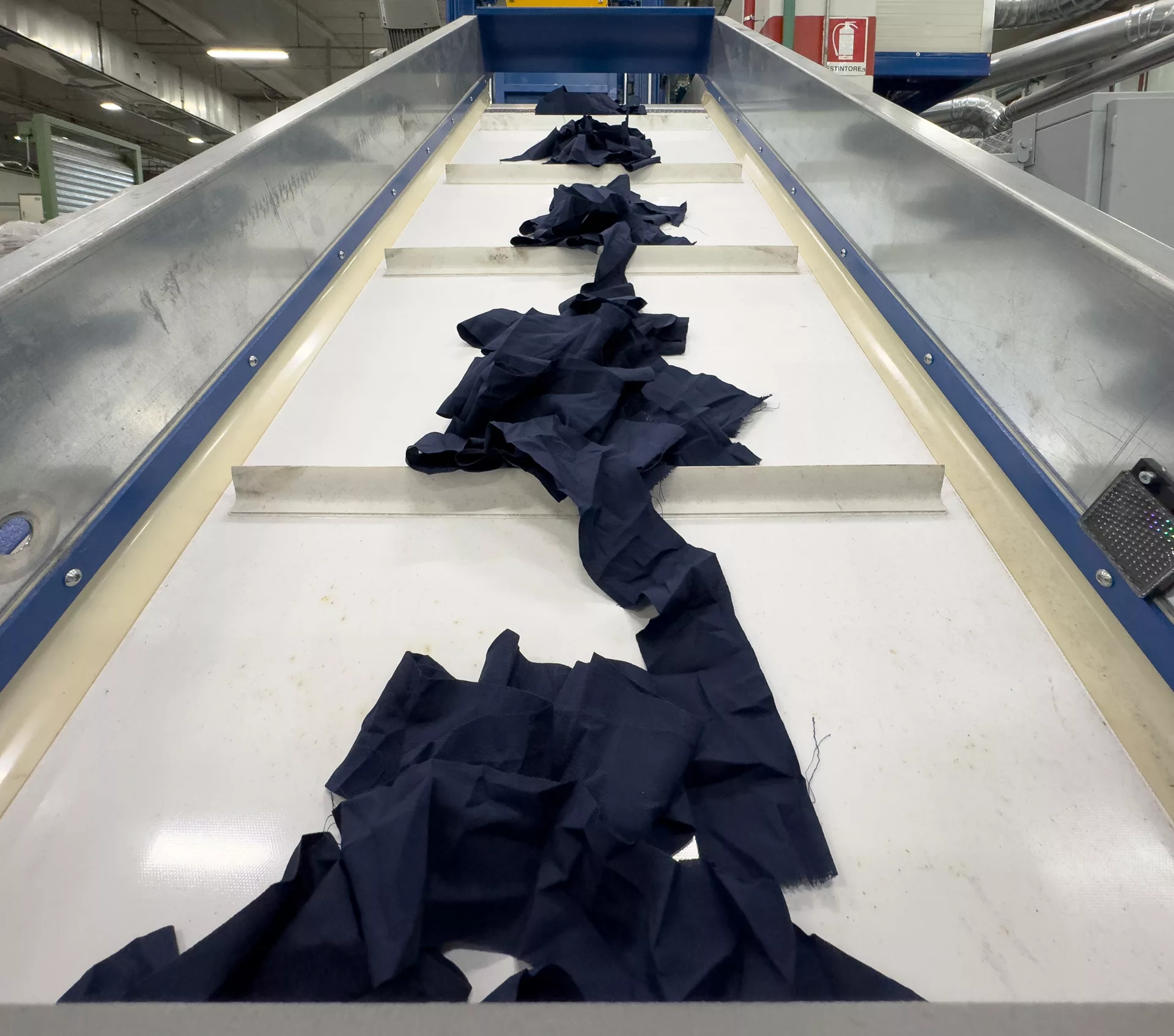
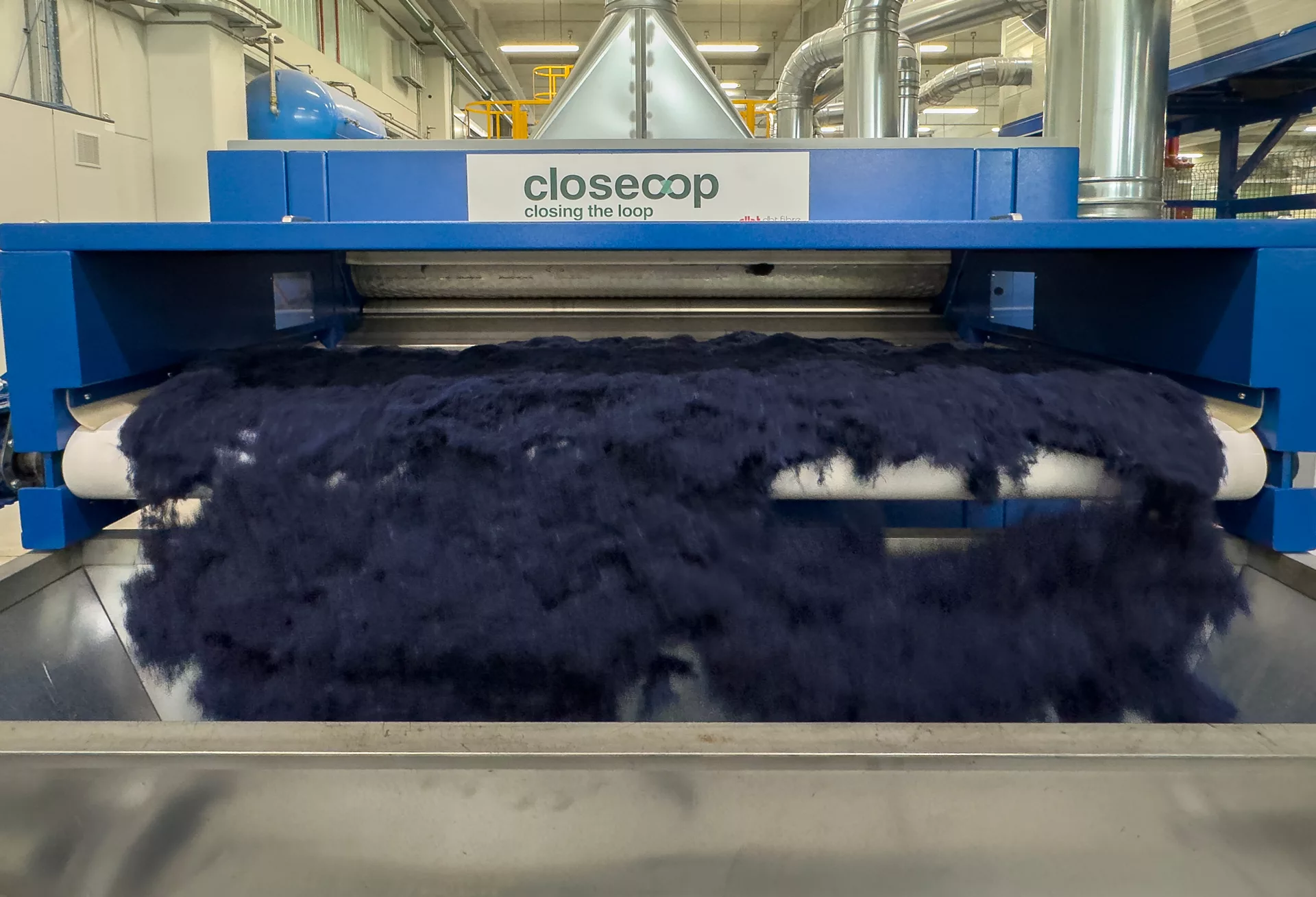
Production is based on the new CLOSEOOP process, our latest technological advancement that allows fibers to be opened without tearing them, preserving their length and initial properties as much as possible.
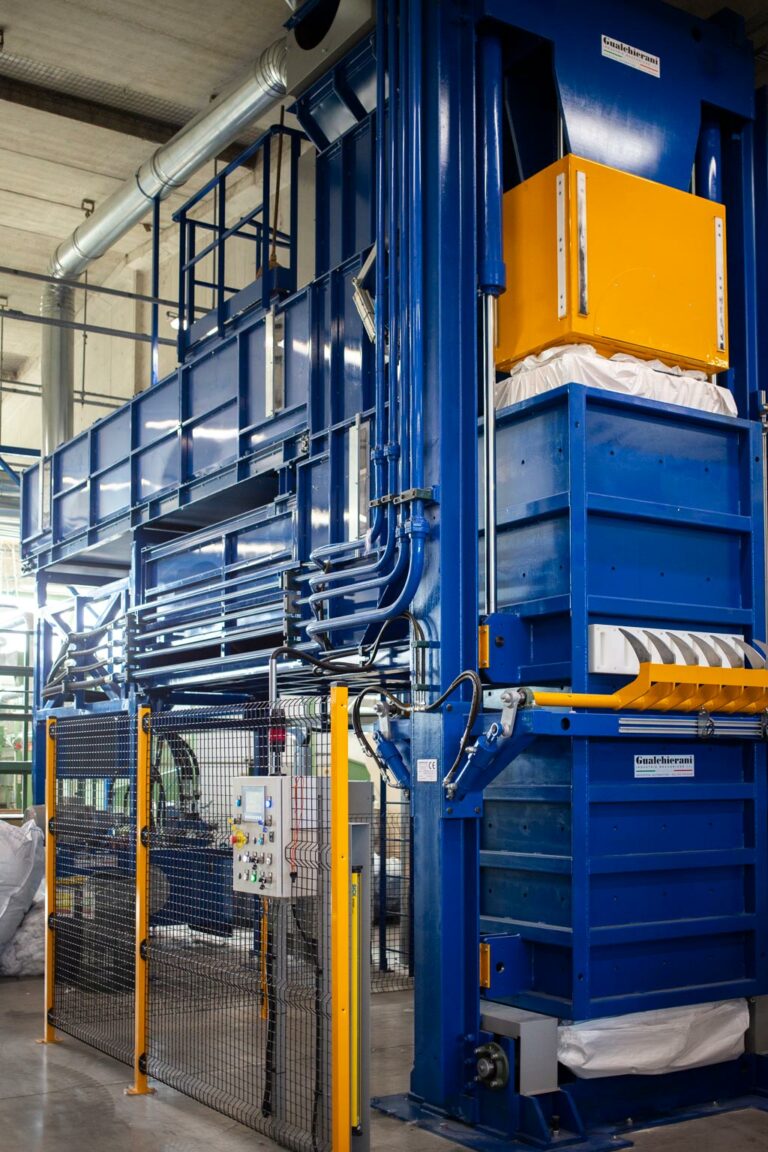
CLOSEOOP, the key process for textile fibre regeneration
CLOSEOOP is the key process based on the tenets of circular economy.
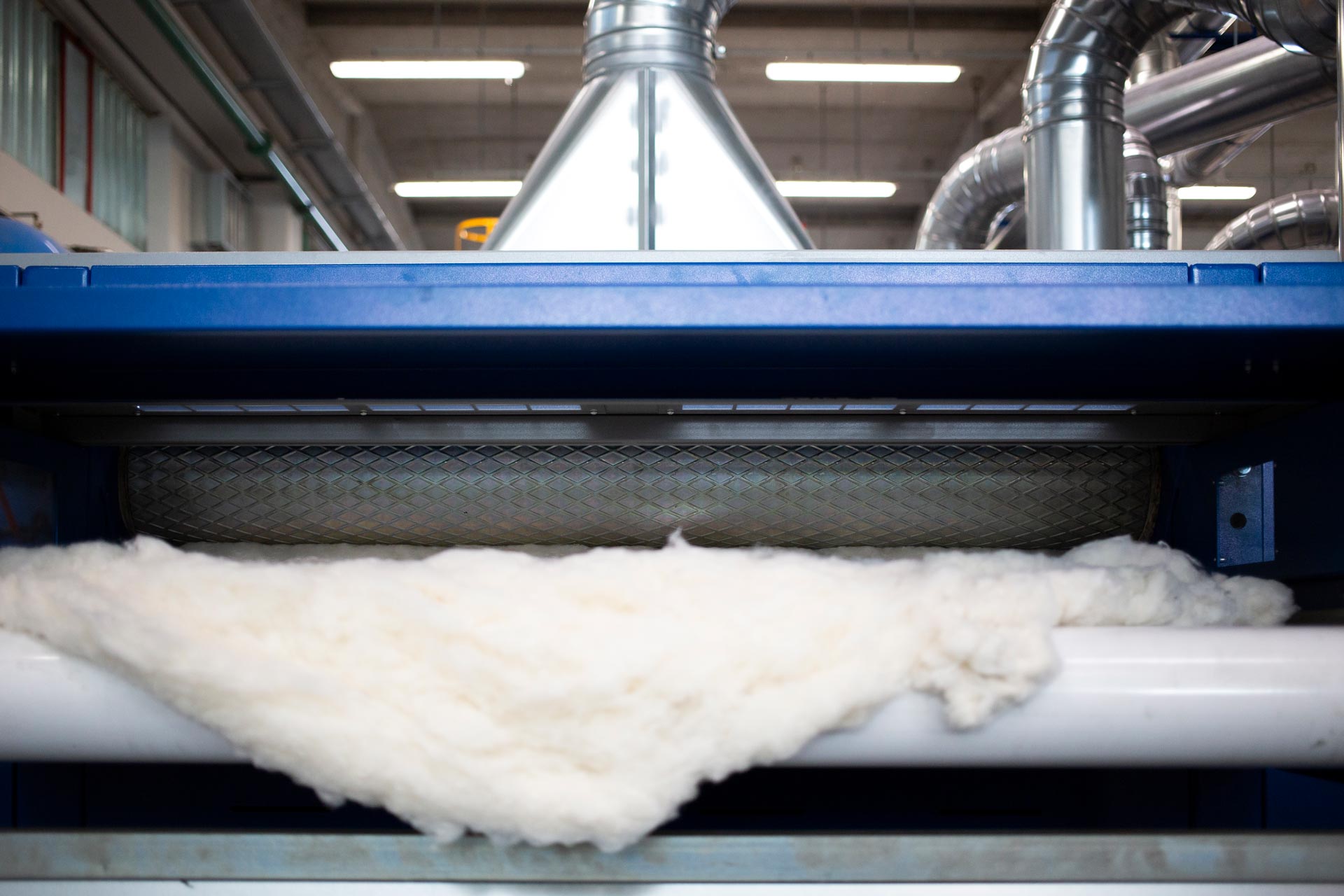
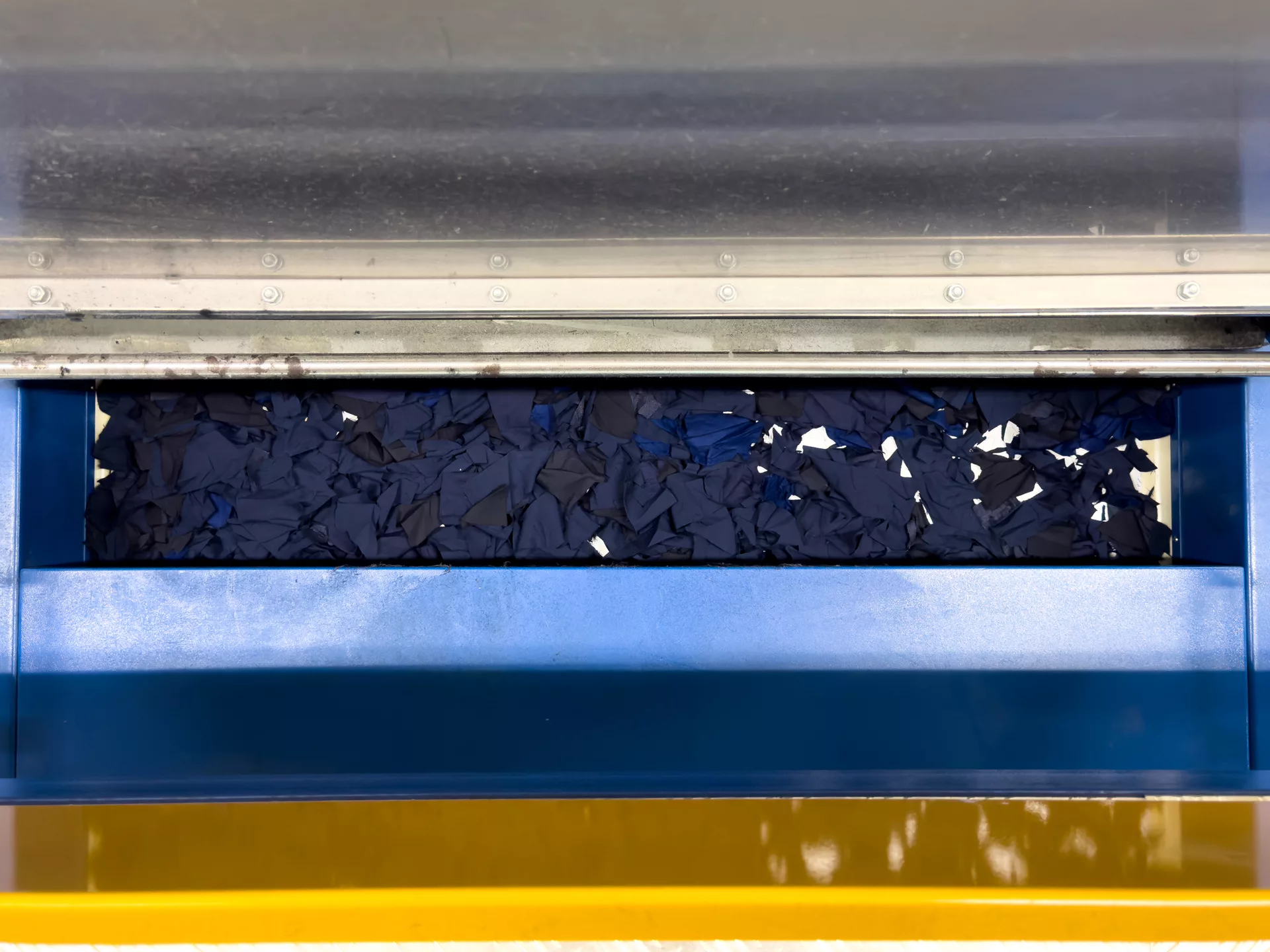
CLOSEOOP uses various kinds of textile waste fibre as raw material. Such waste fibre would, otherwise, be disposed of; instead, the process transforms it into new fibres for the textile industry, with similar properties to the original ones. It can be applied to various fibres, favouring noble fibres such as wool, cashmere, silk and alpaca. It also yields excellent results on technical aramid and para-aramid fibres.
This mechanical process breaks down incoming material into its raw components, preserving the original characteristics and avoiding shearing actions on the fibres as much as possible. It differs significantly from traditional processing in that the fibre undergoes a mechanical process which, instead of tearing it, “gently” accompanies it as it is opened through several steps. The new fibres retain, as much as possible, the properties of the waste materials from which they are derived, such as length and tenacity.